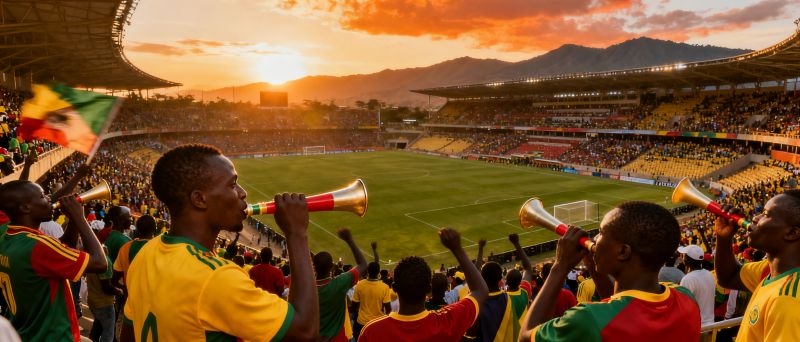
he 2010 FIFA World Cup in South Africa was never just about football. It was a statement. For the first time, the tournament landed on African soil, and the continent embraced it with a mix of pride, skepticism, and raw energy. I remember watching the opening match at a packed fan park in Johannesburg—vuvuzelas blaring。strangers hugging, and a collective sense that something had shifted. That tournament cost South Africa an estimated $3.6 billion, but the conversation it sparked about Africa's place in global sport was priceless.Infrastructure became the most visible legacy. Five new stadiums rose from scratch, including the majestic Cape Town Stadium with its sweeping views of Table Mountain. Durban's Moses Mabhida Stadium, with its iconic arch, still hosts major events. But the real test came after the final whistle. Some venues, like the Nelson Mandela Bay Stadium in Port Elizabeth, struggled with maintenance costs. Yet others reinvented themselves as multi-purpose hubs. This mixed outcome is often cited as a cautionary tale for future Africa World Cup bids。but I see it differently—it's a lesson in planning, not a reason to shy away.Morocco's 2022 World Cup run was a thunderbolt. The Atlas Lions became the first African team to reach the semifinals, and the ripple effects are still being felt. Youth academies in Casablanca and Rabat reported a surge in enrollments. Sponsorship deals for African football leagues inched upward. That performance didn't just inspire fans;it shifted how scouts and investors view African talent. The Africa World Cup narrative is no longer just about hosting—it's about competing at the highest level and demanding respect.Economic impact is where the debate gets fierce. Critics argue the 2010 event created temporary jobs and left debt, but supporters point to tourism growth and the branding boost. Cape Town's hotel occupancy surged during the tournament, and international arrivals to South Africa jumped 15% that year. The intangible benefits—confidence。global visibility—are harder to quantify but impossible to ignore. When I spoke to a taxi driver in Soweto, he put it simply: "The world saw us differently after 2010." That's not a spreadsheet metric, but it matters.
Looking ahead, the 2025 Africa Cup of Nations in Morocco and the 2030 World Cup co-hosting bid with Spain and Portugal signal that Africa's football ambitions are far from over. The continent isn't waiting for permission to dream big. With each tournament, the Africa World Cup story evolves—from hosting showcase to competitive powerhouse. The next chapter is being written in training grounds and boardrooms across the continent, and it's worth watching closely.